
Adaptive wireless sensor networks
with data visualisation for crisis management
MPO ČR – TIP (FR-TI2/571)

Project objective
The project aimed to design a modular communication system for adaptive wireless sensor networks (AWSN) with data visualisation, suitable for crisis management in emergencies of various kinds.
The project primarily involved applied research into collecting data from wireless sensor field nodes, analysing it and presenting it visually. “Adaptive” meant a system that could be easily adapted to different applications and scenarios, with a degree of openness to connecting different kinds and types of sensors and potentially other devices.
Project results
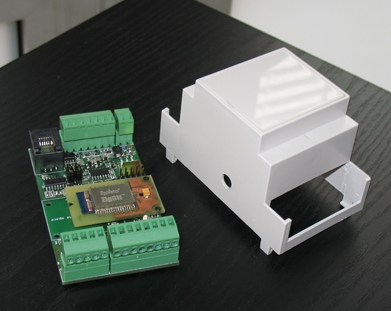
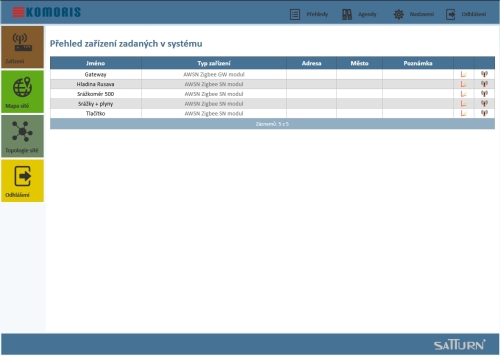
The project’s applied result was the design of the complete Komoris® system based on an adaptive wireless sensor network (AWSN), comprising principally:
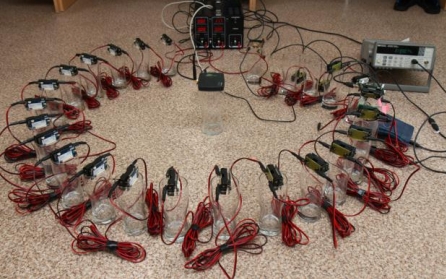
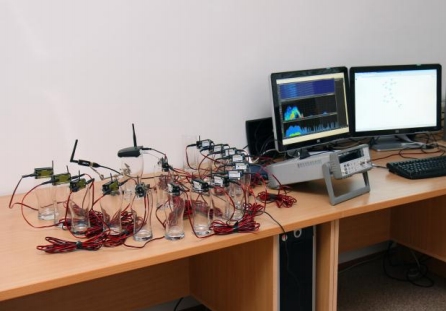
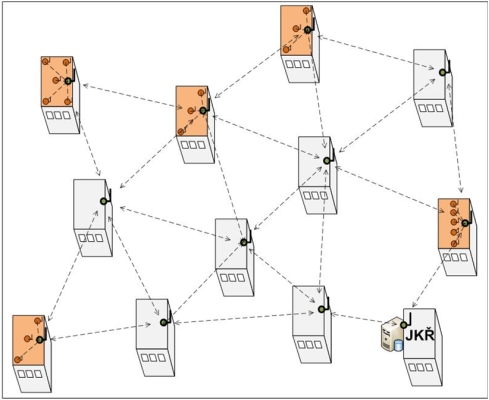
The communication technology is suitable for indoor and outdoor deployment. It was designed to create ad hoc networks easily, with radio links between sensor units and between units and gateways established automatically by the units’ internal control logic. The networks then operate automatically, without control by a PC or another higher-level device. Each sensor unit can communicate simultaneously with all units within radio range, creating a mesh network. With enough units installed, the network as a whole can therefore withstand the failure of individual nodes.
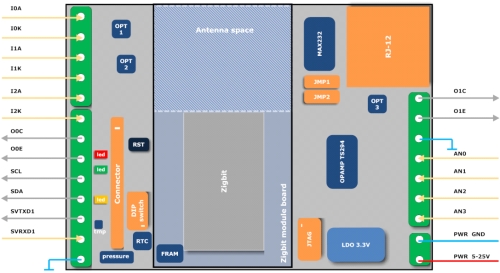
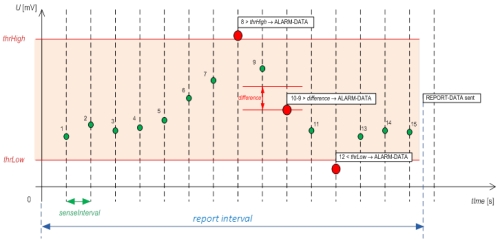
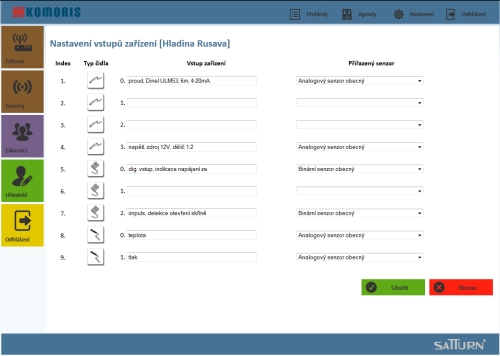
The sensor units use Zigbee radio technology. They support simultaneous connection of several sensors, control and data readings at set intervals or when configurable ranges and limits are exceeded, internal self-diagnostics and remote over-the-air configuration. All unit activity and network communication, including packet transmission, reception and processing, were optimised for the lowest possible power consumption.
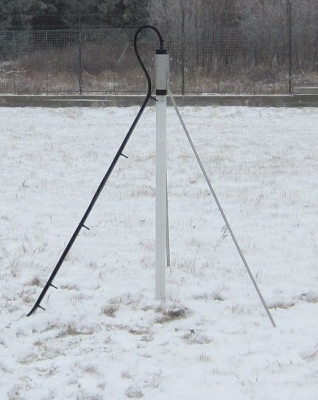
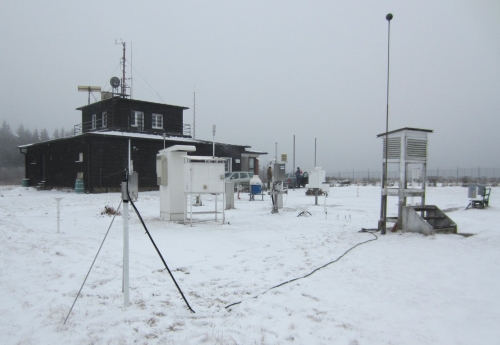
A separate part of the project researched and developed a new type of snow sensor to measure snow depth and weight, including on building roofs. The sensor’s design is protected by a utility model.